Purchasing Guide
How to Choose Imported Glycerin? Key Factors Buyers Should Consider Before Purchasing
When purchasing imported glycerin, many industrial buyers do not only focus on their current supplier or existing brand. They also compare market prices of other glycerin brands to evaluate whether the current purchasing cost is reasonable and to establish alternative supply options.
However, the imported glycerin market includes many brands from different countries and manufacturers. These products may vary in production origin, quality grade, packaging method, market acceptance, warehouse availability, and pricing.
Therefore, selecting imported glycerin should not be based only on the price per ton. A professional purchasing decision should consider the application requirements, quality standards, brand acceptance, supply stability, and the final delivered cost.
As an experienced imported glycerin supplier, we suggest buyers pay attention to the following aspects.
1. Consider the Origin of Imported Glycerin
Most imported glycerin products available in the Chinese market come from Southeast Asia.
The main reason is that Southeast Asia is one of the major palm oil production regions worldwide. Since glycerin is an important by-product of vegetable oil processing, this region has advantages in raw material supply and production capacity.
Common imported glycerin brands in the Chinese market include:
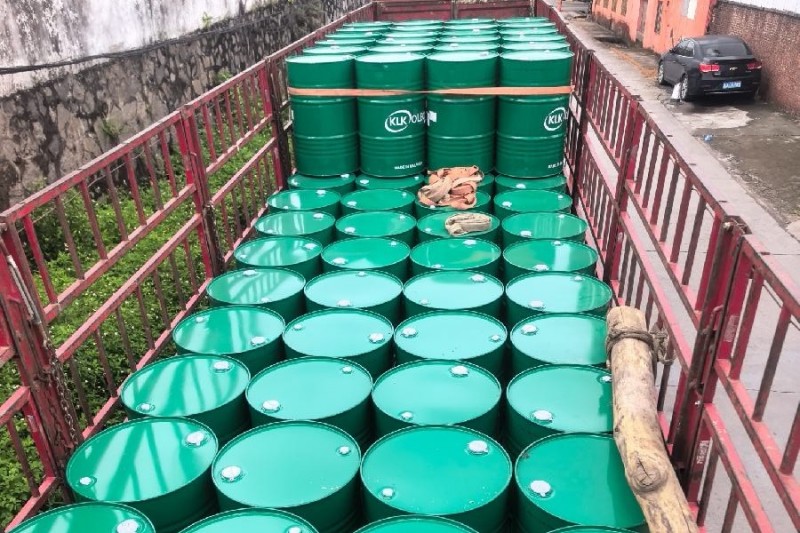
- KLK Glycerin from Malaysia
- DOMAS Glycerin from Indonesia
- THAIKING (TGC) Glycerin from Thailand
- P&G Glycerin and other international brands
Different manufacturers and origins may have differences in production capacity, market recognition, supply channels, and customer acceptance.
For buyers, understanding the manufacturer and origin behind the brand is an important step when evaluating a glycerin supplier.
2. Understand the Difference Between Glycerin Grade and Application Requirements
Many imported glycerin products from Southeast Asia meet USP grade requirements, with glycerin content commonly above 99.7%.
In daily business communication, some buyers refer to USP grade glycerin as “pharmaceutical grade glycerin” because USP is a widely recognized quality standard.
However, buyers should understand that product specifications and application qualifications are not exactly the same concept.
For example, in food, pharmaceutical, and cosmetic industries, customers usually need not only high-purity glycerin but also appropriate documentation and compliance support.
Before purchasing, buyers should confirm:
- Product grade and specifications;
- COA (Certificate of Analysis);
- Import and compliance documents;
- Whether the product meets their industry requirements.
A glycerin product with excellent test results may still require proper documentation and approval procedures before being used in certain regulated industries.
3. Confirm Whether the Glycerin Is Original Factory Packaging
In the imported glycerin market, the same brand may appear in different supply forms.
Some products are imported in original manufacturer packaging, while others may be imported in bulk and repacked locally according to market demand.
For general industrial applications, packaging may not always be the most important factor. However, for industries such as food, pharmaceuticals, and cosmetics, original packaging provides better traceability and brand confirmation.
When purchasing imported glycerin, buyers should confirm:
- Is the product in original factory packaging?
- Is the batch information traceable?
- Are complete import documents available?
- Can the supplier provide consistent long-term supply?
For companies with strict requirements regarding brand authenticity and product qualification, original imported glycerin is usually a safer choice.
4. The Best Glycerin Brand Depends on Your Actual Requirements
A well-recognized brand does not necessarily mean it is the best choice for every buyer.
For companies that have already completed supplier approval and product verification for a specific glycerin brand, continuing with the existing brand may be the most stable option.
Changing suppliers or brands may involve:
- Supplier re-evaluation;
- Production testing;
- Customer approval procedures;
- Quality verification.
However, for buyers without strict brand requirements, it is recommended to compare several suitable brands under the same conditions.
Important factors include:
Product suitability
Does the glycerin grade meet the requirements of your industry?
Supply stability
Can the supplier provide continuous availability and reliable delivery?
Total purchasing cost
The actual cost should include:
- Product price;
- Transportation cost;
- Delivery time;
- Inventory availability;
- Payment terms.
A suitable glycerin supplier should provide a balance between quality, price, and supply reliability.
5. What Should Buyers Confirm Before Purchasing Imported Glycerin?
Instead of asking only:
“What’s your glycerin price per ton?”
Professional buyers usually confirm the following information:
1. Brand and Origin
Which manufacturer produces the glycerin? Where is it manufactured?
2. Product Grade
Is it USP grade, food grade, pharmaceutical grade, or industrial grade?
3. Packaging Type
Is it original factory packaging or repacked product?
4. Technical Documents
Can the supplier provide COA and related documents?
5. Final Delivered Cost
Including transportation, warehouse location, and delivery schedule.
In practical purchasing, the best choice is not always the lowest quotation. The most suitable supplier is usually the one that provides stable quality, reasonable cost, and reliable long-term cooperation.
Imported Glycerin Supply from Henan Tongshang
Henan Tongshang specializes in the supply of imported glycerin products, including KLK Glycerin, THAIKING (TGC) Glycerin, DOMAS Glycerin, P&G Glycerin, and other imported brands.
Based on customers’ applications, purchasing volume, and delivery locations, we can provide:
- Brand selection suggestions;
- Sample application;
- Product documentation confirmation;
- Competitive quotation;
- Local warehouse delivery solutions.
For imported glycerin prices, stock availability, or brand comparison, please contact Henan Tongshang.
Please provide your company name, required quantity, application, and delivery location, and our team will recommend a suitable glycerin solution.